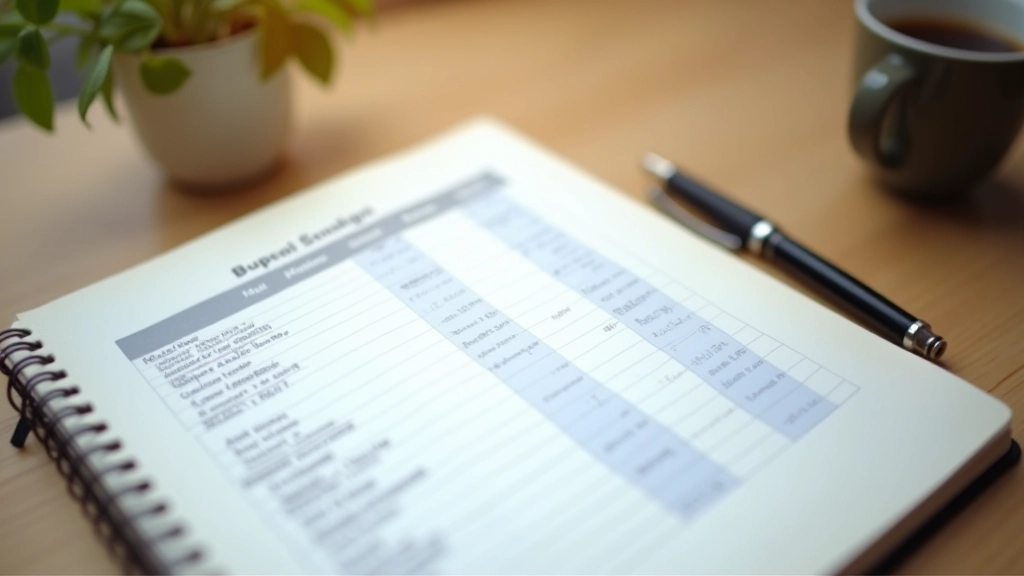
Creating Your First Budget in Hong Kong
Learn how to track your expenses and build a realistic budget that actually works with your income and lifestyle.
Read ArticleDiscover practical methods to set aside money for unexpected expenses, even if you’re living paycheck to paycheck. Real strategies that don’t require a huge salary to get started.

Life doesn’t follow a budget. Your car breaks down. Someone gets sick. You lose hours at work. These aren’t disasters — they’re just life. The difference between managing these moments and spiraling into debt comes down to one thing: having money set aside.
The challenge isn’t whether you need an emergency fund. It’s how to build one when you’re barely making ends meet. We’re going to walk through real strategies that don’t require you to be wealthy. You’ll learn how to start small, build momentum, and eventually have a genuine safety net.
Most people never start an emergency fund because they’re waiting for the “right time.” They think it’ll happen once they get a raise, finish paying off something, or have more breathing room in their budget. That time doesn’t come. Meanwhile, unexpected expenses pile up.
The truth? You don’t need $1,000 to start. You don’t even need $500. You need $25. Or $50. Whatever amount doesn’t feel impossible to you right now. When you’re living paycheck to paycheck, finding even small amounts requires creativity, but it’s possible.
Start small: Even $25 per week adds up to $1,300 in a year. That’s real money for real emergencies.

Important: This content is educational in nature and designed to help you understand personal finance concepts. It’s not financial advice. Everyone’s situation is different, so consider consulting with a qualified financial advisor before making major money decisions.

Here’s a simple structure that actually sticks: separate your emergency savings from your regular checking account. You don’t need fancy accounts. Most banks offer a basic savings account. Some people even keep physical cash in an envelope — whatever keeps the money out of your regular spending flow.
Why separate? Psychology. When that money’s sitting in your checking account, it feels like spending money. You’ll be tempted to use it for coffee, streaming subscriptions, things that feel urgent but aren’t emergencies. When it’s in a separate place, it becomes something you’ve built. Something real.
Before you think “I can’t afford to save,” let’s be honest about what you’re actually spending money on. Not to judge — everyone’s got their thing. But there’s usually money hiding in subscriptions you forgot about, apps you pay for monthly, or habits you don’t really think about.
Audit your last three months of bank statements. Look for recurring charges under $20. Streaming services, food delivery apps, gym memberships you don’t use. Most people find $30-$100 per month just sitting there. That’s your emergency fund starter money.
You don’t need to cut everything. Maybe you keep one streaming service and pause two others. Maybe you order delivery twice a month instead of twice a week. Small tweaks, not deprivation.

Don’t aim for six months of expenses right away. That’s overwhelming. Instead, build in stages. Each milestone is an actual win you can celebrate.
Covers most car repairs, dental work, or unexpected medical visits. This is your first real safety net.
Gives you breathing room for bigger issues. One month of living expenses if something goes wrong with work.
Real security. Covers 2-3 months of basic expenses. At this point, you’re genuinely protected.
The gold standard. Build here over time. This is the amount that lets you handle job loss without panic.
Set up a transfer on payday — even $10 or $25. You don’t see it, you don’t miss it. It just happens. Most banks let you schedule recurring transfers for free.
Some people prefer cash. When you get paid, put your emergency fund amount in an envelope and hide it. It feels real. You can see it growing.
Tax refunds, work bonuses, gifts — put 50% into your emergency fund. You weren’t counting on it anyway, so you won’t miss it.
Apps that round up purchases to the nearest dollar and save the difference. Small amounts, but they add up over time without much effort.

This is where discipline matters. An emergency fund isn’t for wants that feel urgent. It’s not for that thing you’ve been wanting to buy or a trip you didn’t budget for. Real emergencies only.
Real emergencies: Car breaks down and you need it for work. Medical bills you weren’t expecting. Your job hours get cut unexpectedly. Appliances fail. These are things that would actually cause financial stress without the fund.
Not emergencies: Sales. New hobbies. Upgrades you want. Vacations. If you have time to think about whether it’s an emergency, it probably isn’t.
Here’s the thing though — once you use it, you rebuild it. That’s not failure. That’s the fund doing exactly what it’s supposed to do.
You don’t need to be rich to have financial security. You don’t need a perfect budget or a massive income. You need a plan and consistency. Start with whatever amount feels doable — $25, $50, $100. That’s enough. Open a separate account. Set up an automatic transfer. Then stop thinking about it and let it grow.
In six months, you’ll have real money sitting there. In a year, you’ll have something that actually changes how you feel about unexpected expenses. That’s not just math. That’s peace of mind.
Ready to take control of your finances? Explore more budgeting strategies and learn how to build lasting financial security.
Explore More Resources