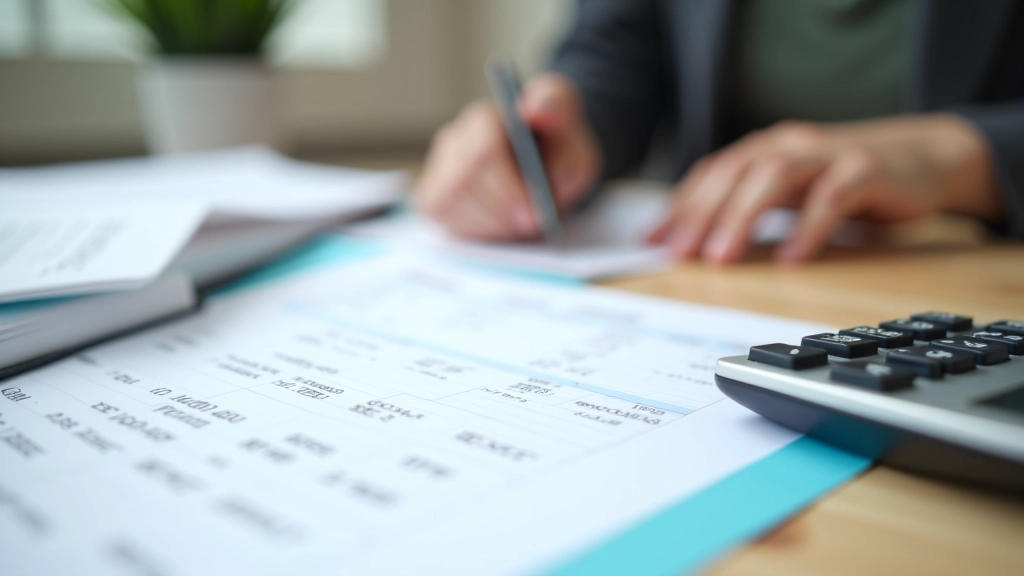

Creating Your First Budget in Hong Kong
Learn how to track your expenses and build a realistic budget that actually works for your lifestyle and financial goals.
Build a strong financial foundation by understanding investment basics, asset classes, and retirement planning strategies tailored to Hong Kong workers.

Building wealth doesn’t happen by accident. It’s a deliberate process that starts with understanding your options. Whether you’re 25 or 45, investing is how you turn monthly savings into something substantial. The good news? You don’t need to be a finance expert to get started.
In Hong Kong, you’ve got access to diverse investment vehicles — from the Mandatory Provident Fund (MPF) to individual stocks, bonds, and property. The challenge isn’t finding places to invest. It’s knowing which ones fit your timeline, risk tolerance, and life goals. That’s what we’ll cover here.
Let’s start with the basics. An asset class is simply a category of investment — stocks, bonds, real estate, cash. They behave differently depending on market conditions. Some grow faster but swing wildly. Others are steady but slower.
Stocks give you ownership in companies. You’re betting that the business will grow and profits will increase. Bonds are essentially loans you make — you get paid interest. Real estate is physical property that can generate rental income. Cash and deposits are safe but barely keep pace with inflation.
Here’s the thing: you shouldn’t put all your eggs in one basket. Diversification means spreading your money across different asset classes. When stocks struggle, bonds might be stable. When property prices dip, your diversified portfolio cushions the blow. It’s not about maximizing returns — it’s about managing risk so you can actually sleep at night.

If you’re employed in Hong Kong, you’re likely in the Mandatory Provident Fund system. It’s not optional — it’s built into your paycheck. Your employer contributes, you contribute, and that money gets invested on your behalf. You’ll see the statement every year showing what you’ve accumulated.
The MPF gives you choices. You’re not stuck with one default fund. Most schemes offer multiple options — conservative funds for cautious investors, growth funds for those with longer timelines, balanced funds somewhere in between. At 25, you can afford more volatility. At 55, you probably want stability.
But here’s what many people miss: the MPF alone won’t fund your retirement. It’s a foundation, not the whole building. You’ve got about 40 years of work ahead. That’s time to build additional wealth through personal investments. Even modest amounts invested consistently add up significantly by retirement age.
A real strategy starts with a simple question: when do you need this money? If you won’t touch it for 30 years, you can handle short-term losses because you’ve got decades to recover. If you need it in 5 years, losses hurt more because you don’t have time to bounce back.
This is called your time horizon. It’s the single biggest factor in how you should invest. A 25-year-old and a 60-year-old shouldn’t have the same portfolio. The younger person can load up on stocks because they’ll weather the ups and downs. The older person needs more stable assets.
Next, know your risk tolerance. This isn’t just about numbers — it’s about how you feel when markets drop 20%. Can you stay calm and hold? Or does your stomach turn and you want to sell? Honest answers matter here. The best investment plan is one you’ll actually stick with, not one that looks good on paper but keeps you awake at night.


You don’t need a huge sum to start. Hong Kong brokerages let you invest with small amounts — some allow trades starting at HK$1,000. The key is beginning early and investing consistently. A person who invests HK$2,000 monthly from age 25 will have far more at retirement than someone who waits until 35 to start with larger amounts.
Here’s a practical path: First, max out your MPF contributions — that’s tax-deductible and your employer matches it. Second, build an emergency fund outside of investments. You need 3-6 months of living expenses in liquid savings. Then, once you’ve got that cushion, invest additional money in a diversified portfolio. Don’t try to time the market or pick winning stocks unless you genuinely enjoy research. Index funds tracking Hong Kong, Asia, and global markets are boring but effective.
Finally, review your investments once or twice a year. Not constantly — that leads to emotional decisions. But annually, check that your portfolio still matches your goals. Rebalance if one asset class has grown much larger than planned. It’s less about chasing returns and more about staying on track.
Building long-term wealth through investing isn’t complicated, but it does require patience. You’re competing against inflation and the passage of time — the sooner you start, the more you’ll have later. In Hong Kong, you’ve got tools like the MPF and accessible brokerages that make it possible for anyone to invest.
The real barrier isn’t knowledge or access. It’s getting started and staying committed when markets wobble. That’s where understanding your strategy — your time horizon, risk tolerance, and asset allocation — becomes crucial. You’re not trying to get rich fast. You’re building sustainable wealth that’ll support you through retirement and beyond.
Start with what you can afford today. Increase contributions as your income grows. Stay diversified. Keep emotions out of decisions. That’s it. That’s the formula that works for most people.